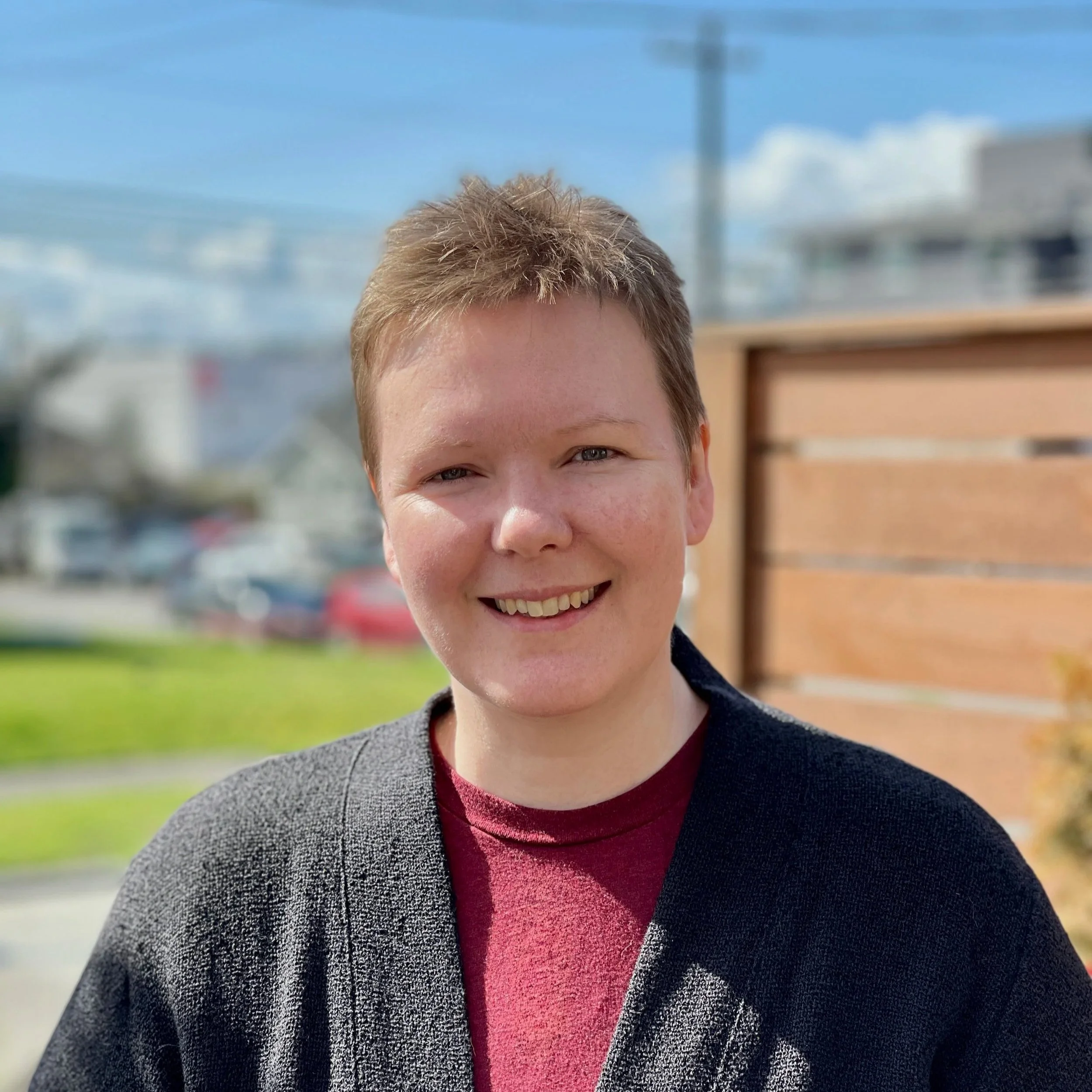
Kari Lipke, MSW, LICSW, MDIV
Image: Joanne Engquist
Practice Overview
I trust that the foundation of meaningful therapy is a strong therapeutic alliance. To form and nurture that alliance, your contributions include:
Serve as the expert on your life, including your hopes, challenges, and strengths.
Offer feedback about such things as the pacing of our work and the usefulness to you (or not) of the therapeutic approaches we engage.
Some of my contributions include:
Bring clinical knowledge, curiosity, and compassion into our process.
Behave in a trustworthy manner by maintaining social work ethics, providing honest feedback, and supporting repair if a rupture occurs in our relationship.
Together we create a space of safety and containment worthy of the courage it takes to explore suffering, hope, and all that arises in our work together.

Image: Kari Lipke
I work with adults of all ages and backgrounds and bring particular experience working with emerging adults and members of the 2SLGBTQIA+ community.
My practice specializes in complex post-traumatic stress disorder (C-PTSD), including developmental and relational trauma, religious trauma, and the lasting effects of adverse childhood experiences. I also work with clients navigating major life transitions, including grief and loss, retirement, career changes, and serious or terminal medical diagnoses.
I prefer to work in-person at my office in downtown Seattle but do offer telehealth services. When working with people near the end of life, I am often able to accommodate in-home/in-hospice sessions depending on location.

Image: Kari Lipke
Approach
I use an integrative approach rooted in neuroscience, developmental psychology, and an understanding of the mind and body as one system versus two separate aspects of self.
Depending on what is most helpful for you, our work can draw from:
The Adaptive Information Processing model that includes Eye Movement Desensitization and Reprocessing (EMDR)
Parts Work (similar to Internal Family Systems)
Mindfulness and Somatic (body-based) Practices
The family of Cognitive Behavioral Therapies (CBT, DBT, ACT)
Solution-Focused Brief Therapy (SFBT)
I understand that people do not develop strengths and challenges in isolation. Race, ethnicity, culture, religion, sexual orientation, gender identity, socioeconomic status, disability, and other aspects of identity influence our experiences and our health. Individuals and communities whose lives are not rooted in dominant cultural norms often experience daily stressors that, cumulatively, can lead to symptoms akin to those of PTSD. At the same time, many aspects of our non-dominant ancestry, values, traditions, and other aspects of culture are sources of resilience, wisdom, creativity, and ways of knowing.

Image: Kari Lipke
Education and Experience
I am a Licensed Independent Clinical Social Worker (LICSW) in Washington State and earned my Master of Social Work (MSW) from Seattle University. I hold a Master of Divinity from Harvard Divinity School, a program with robust multifaith diversity. I am trained in Eye Movement Desensitization and Reprocessing (EMDR) through the EMDR Institute, founded by Francine Shapiro.
Before becoming a therapist, I worked for ten years at a liberal arts college accompanying emerging adults as they navigated identity, relationships, purpose, and life transitions. Since 2013 I have served as a progressive pastor in the most liberal of the Lutheran church denominations (ELCA). In this role, I have walked alongside people of all ages through seasons of joy, grief, loss, illness, and change. Since 2021, my work has been grounded in clinical psychotherapy, bringing together my experience in pastoral care with evidence-based mental health treatment.
A Little More About Me
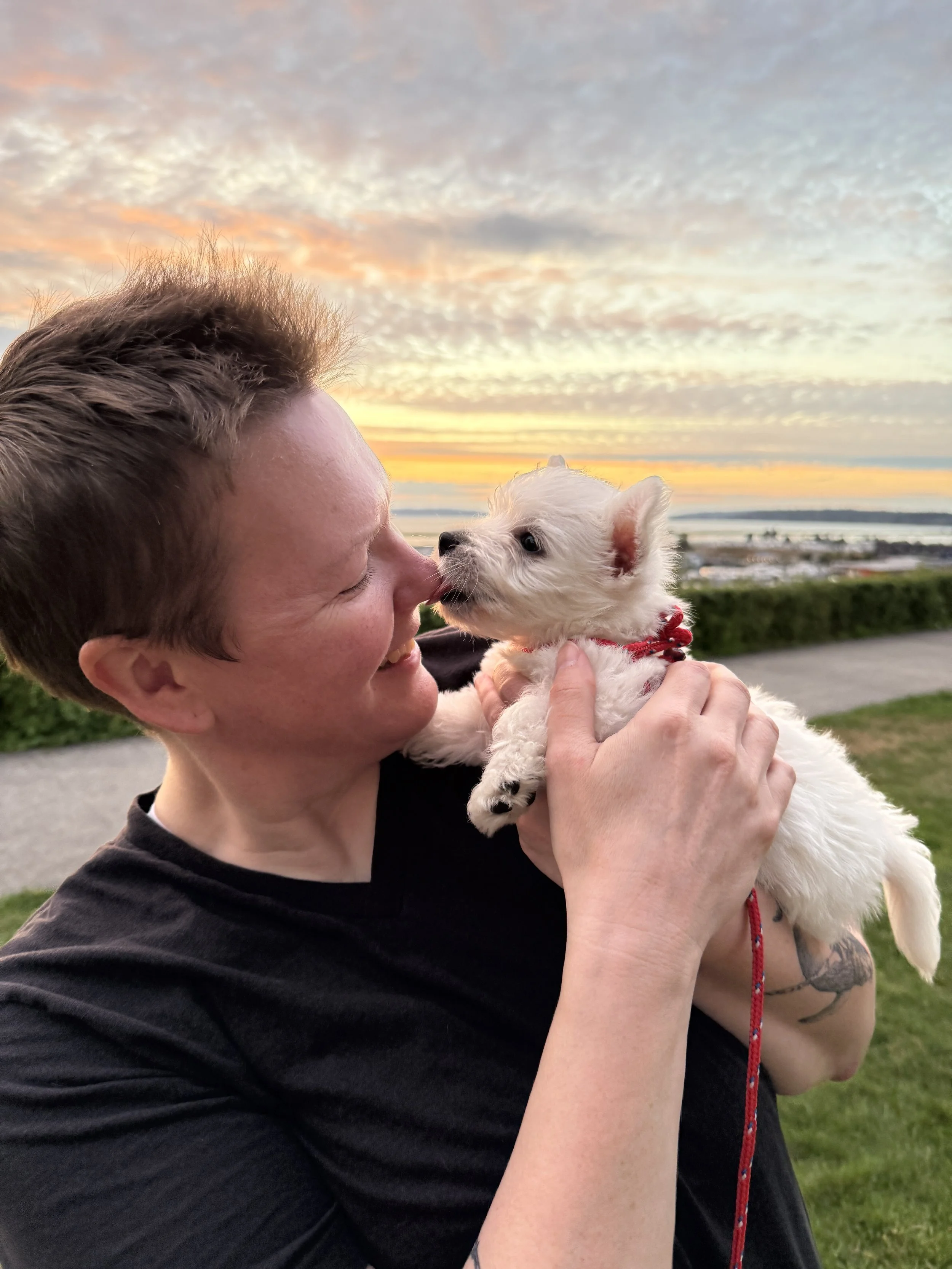
Image: Joanne Engquist
I grew up in rural Minnesota and have lived in both Boston and Seattle. I continue to serve part-time as a progressive pastor, and care deeply about social issues including immigration, environmental justice, and access to healthcare. I love animals, bodies of water, open skies, and playing cribbage with friends and family. My spouse and I live in the city with our beloved pets.